









How New State Markets Drive Pre-Roll Growth
Posted by Custom Cones USA on Mar 30th 2026
Pre-rolls are the fastest-growing product category in cannabis, and it is not even close. According to Seattle-based cannabis analytics firm Headset’s data, more than 383.2 million pre-roll products were sold throughout 2025, generating more than $3.6 billion in revenue across 15 tracked recreational markets. That represents a 15.9% market share for the category, placing it third behind flower and vapes by revenue and first in total units moved. In Canada, pre-rolls have already surpassed flower as the top-grossing cannabis product in the country, generating over $1.42 billion in revenue across nearly 76.7 million units sold.
But those national numbers, as impressive as they are, miss a critical part of the story. Much of this growth is being driven by individual states finally approving pre-rolls as a legal product type, often times years after their broader cannabis programs launched. And every time a state opens the door to pre-rolls, a wave of demand follows that benefits processors, dispensary operators and the entire pre-roll supply chain.
Ohio is the latest and most significant example.
Ohio: A Case Study in Pent-Up Demand
Ohio voters approved recreational marijuana in November 2023 with 57% of the vote, and dual-use dispensary sales began in August 2024. In its first year, Ohio's combined medical and recreational cannabis market surpassed $1 billion in total sales. But for the first full year of recreational operations, one of the most popular product categories in cannabis was nowhere to be found on dispensary shelves.
Pre-rolls were not approved for sale in Ohio until August 2025, when the Division of Cannabis Control finalized its guidelines and began granting individual dispensary approvals. The response was immediate. Some locations reported instant sell-outs. Klutch Cannabis, one of Ohio's prominent operators, described the approval as a chance to "finally deliver on the promises of Issue 2" and "reach out to more consumers."
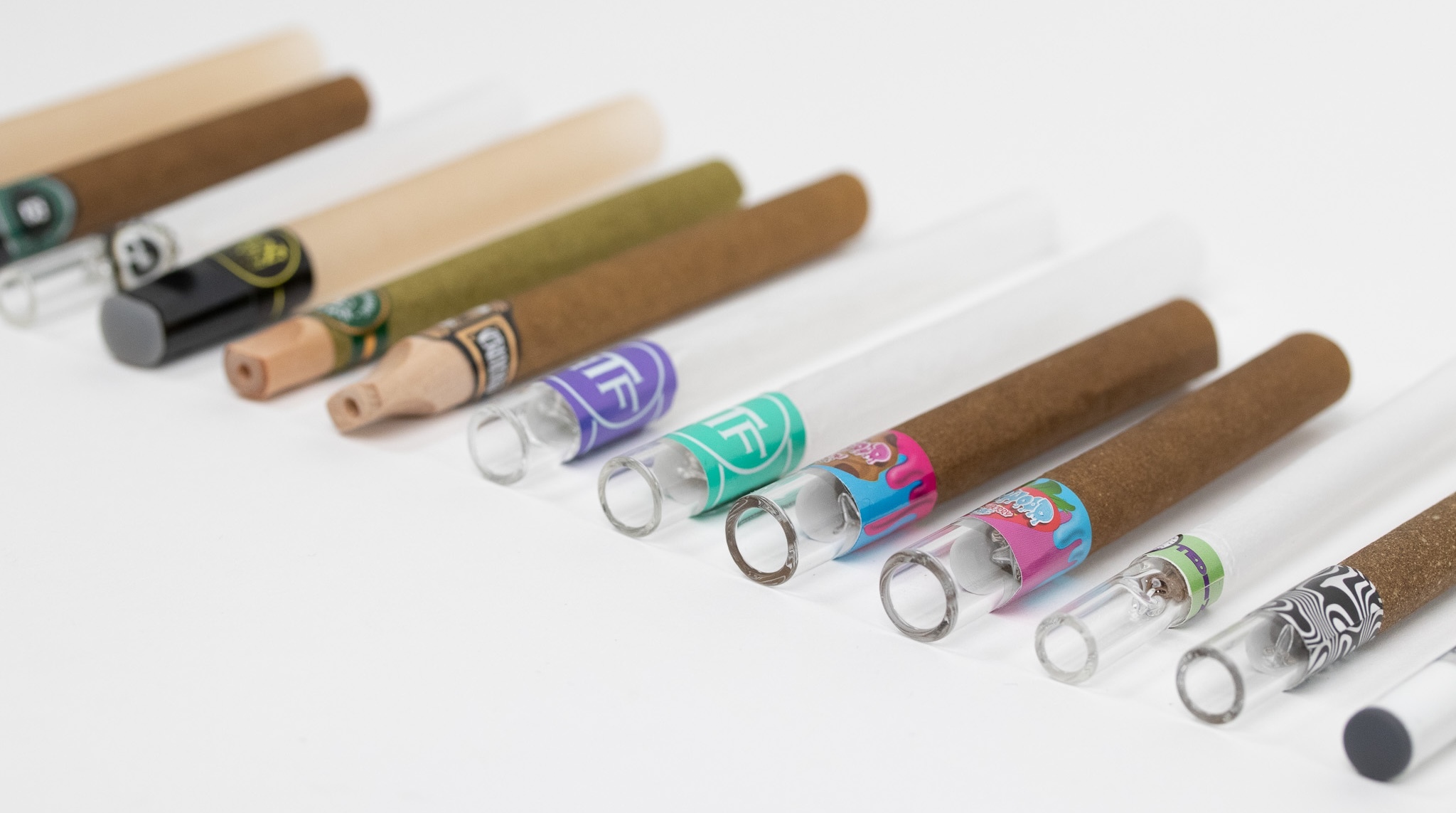
What makes the Ohio example especially notable is the dual nature of its market. The state allows both raw pre-rolls (containing only plant material and paper) and infused pre-rolls for adult-use consumers, while raw pre-rolls are available to both recreational and medical patients. That distinction matters, because Ohio still has a significant medical marijuana patient base. Even as the number of active medical cardholders declined from a peak of nearly 185,000 in October 2023 to around 94,000 by mid-2025, a natural migration pattern well-documented by Ohio State University's Drug Enforcement and Policy Center and seen in every state that adds recreational sales, the total registered patient count remains above 459,000, and more than 56% of surveyed patients said they are extremely likely to maintain their medical registration.
That means Ohio dispensaries are now serving pre-rolls to two distinct customer bases with different buying behaviors, different tax structures and different compliance requirements, all of which create opportunities for pre-roll producers who understand the nuances.
Why Pre-Rolls Surge When States Open Category Sales
Ohio's experience is not unique. It mirrors what happened in Hawaii when pre-rolls were approved in 2024, and what has played out repeatedly across the country as states transition from restricted product menus to full pre-roll availability. The pattern is consistent.
When a legal cannabis market first opens, processors typically dedicate premium flower to packaged flower products while using smaller buds, trim and shake for other purposes (like pre-rolls).
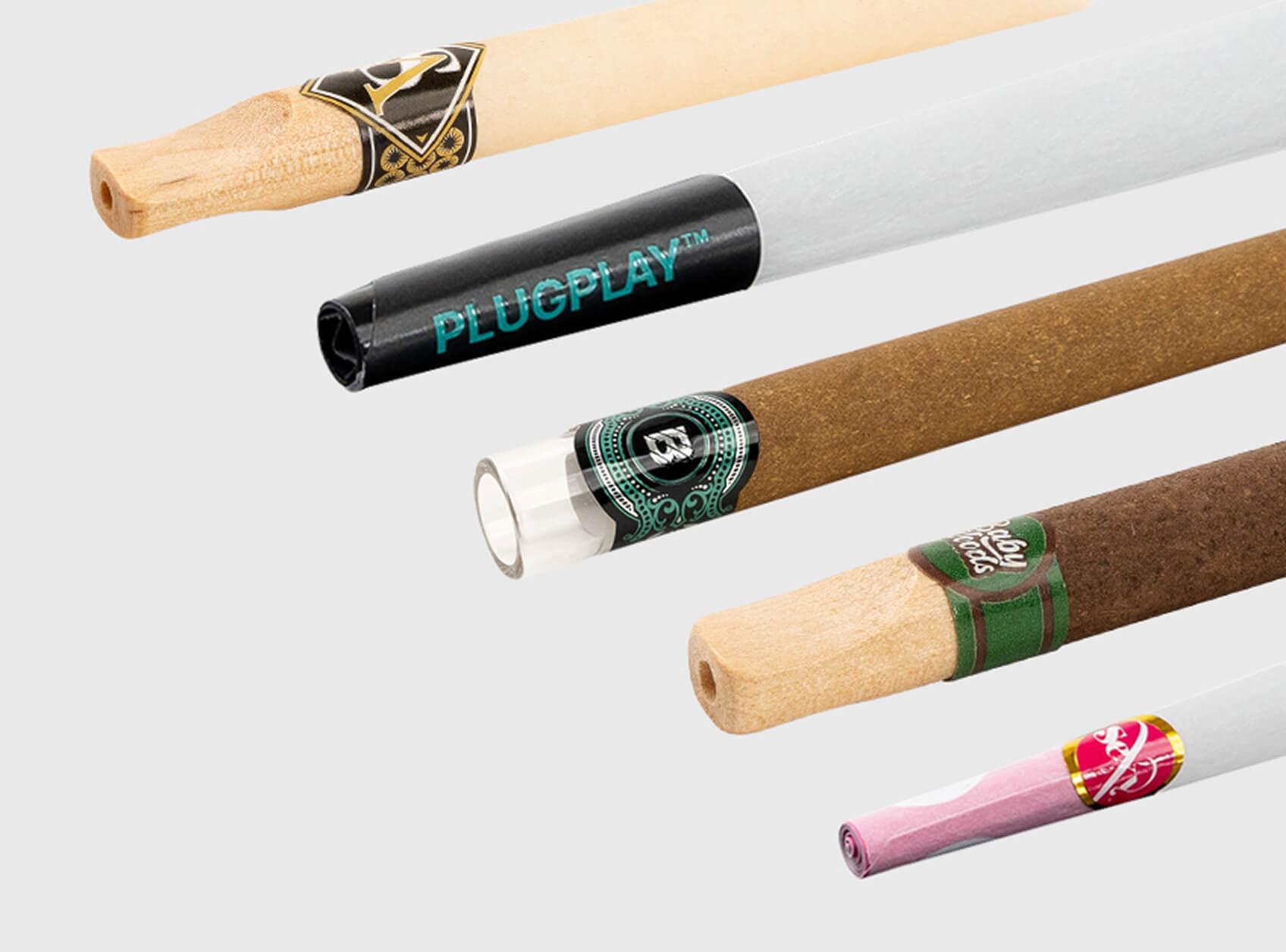
Pre-rolls often start as an afterthought in new markets or, in some states, are simply not yet permitted. But consumer demand for ready-to-smoke products has been enormous from day one. Industry data shows that 82% of cannabis smokers are active in the pre-roll category, and among joint smokers, 94% cite joints as their preferred consumption method. And pre-rolls are the number one add-on purchase at dispensaries across the country.
So when a state finally approves pre-rolls, the result is a compressed demand curve. Consumers who have been waiting, sometimes for months or even years, flood dispensaries looking for the products they have been buying in other states or through legacy market channels. Producers who are prepared to fill shelves quickly gain an outsized first-mover advantage.
This is why pre-rolls have seen a 164% increase in unit sales from 2021 to 2025, surpassing flower in units moved. It is also why the category is projected to see the highest compound annual growth rate (10%) among all top-selling cannabis categories through 2029, according to BDSA forecasting.

Medical Patients and Their Impact on Pre-Roll Demand
One factor that does not get enough attention in pre-roll market analysis is the role of medical marijuana programs in building the customer base that eventually drives pre-roll sales. In states with established medical programs, patients represent a built-in audience of cannabis consumers who are already comfortable purchasing from licensed dispensaries, already understand product formats and are actively looking for convenient consumption methods.

This is where the accessibility of medical certification plays a direct role in pre-roll demand. Telemedicine has fundamentally changed how patients access medical marijuana programs. Platforms that connect patients with a telemedicine cannabis doctor, now operating across more than 20 states, allow patients to complete their certification process online, often in a single appointment. That reduction in friction - no need to find a specialized doctor, no in-person visit requirements in many states, no weeks-long waiting periods - has helped expand the active patient population in states where medical programs might otherwise plateau.
For pre-roll producers and dispensary operators, this matters because medical patients tend to be consistent, repeat purchasers. They visit dispensaries on a regular schedule, they often qualify for tax advantages that make per-visit spending go further, and in states like Ohio, they have access to dedicated service lines and loyalty programs that keep them engaged. When pre-rolls become available, these patients are among the first to add them to their regular purchasing rotation.
The data supports this. In Ohio, 79% of surveyed medical marijuana patients reported that cannabis has reduced their need for prescription painkillers. These are consumers who view cannabis as a core part of their health routine, not a casual purchase. Pre-rolls, with their consistent dosing, portability and ease of use, are a natural fit for this audience.
What This Means for Pre-Roll Producers and Dispensaries
For anyone in the pre-roll supply chain, from cone manufacturers to processors to retail operators, state-level pre-roll approvals represent some of the most predictable growth opportunities in cannabis. Here is how to position for them.
Watch the Regulatory Pipeline
Several states still restrict or limit pre-roll sales within their cannabis programs. Monitoring regulatory developments at the state level, particularly proposed rules from agencies like Ohio's Division of Cannabis Control, gives producers lead time to prepare inventory, secure partnerships with local processors and ensure compliance with state-specific packaging and labeling requirements. Ohio required separate classifications for raw and infused single serving units, each with distinct testing and labeling protocols. States that follow will likely implement similar frameworks.
Build for Both Markets
In states with both medical and recreational programs, pre-roll producers should develop product lines that serve both customer bases. Medical patients often gravitate toward single-strain, single-serving pre-rolls with clear labeling of cannabinoid content and strain lineage. Recreational consumers, meanwhile, are driving the infused pre-roll segment, which now accounts for 48.5% of all pre-roll revenue and is growing 14% year-over-year. Having product lines for both audiences maximizes shelf coverage and revenue per dispensary account.
Stock the Right Mix
The data on what sells is clear. Infused pre-rolls generate the most revenue per unit, with $1.68 billion in sales through 2025, representing 47% of total pre-roll sales. Single-strain hybrid pre-rolls move the most units at 142.8 million sold ($1.31 billion), representing 46% of all pre-rolls. Multi-packs are approaching 50% of total pre-roll sales in the U.S. and already account for 85% of the Canadian market. Dispensary operators entering a newly approved pre-roll market should stock a weighted mix that reflects these national trends while accounting for local preferences.
Prioritize Production Quality From Day One
New markets often see a rush to fill shelves, but the producers who win long-term are the ones who invest in consistent quality from the start. That means using properly sifted material (data shows that un-sifted material results in 65% higher weight variance and 488% more stem-related defects), selecting the right cone-filling equipment for your volume targets and choosing paper and filter options that match your brand positioning. Connoisseur consumers are entering the market at every level, and they notice the difference between a well-crafted pre-roll and one that was packed in a hurry with subpar flower.
Final Thoughts
The pre-roll category has evolved from an afterthought to a category leader, and the growth trajectory is far from finished. U.S. pre-roll sales reached $3.6 billion in 2025, representing 164% growth from 2021. As states like Ohio continue to open their markets to pre-rolls, and as medical marijuana programs continue to expand patient access through telemedicine and streamlined certification, the customer pipeline feeding dispensary foot traffic will only get stronger.
For pre-roll producers, the playbook is straightforward: follow the regulatory approvals, prepare inventory ahead of launch windows, build products that serve both medical and recreational consumers and invest in production quality that earns repeat purchases. The states that have already approved pre-rolls have proven the demand exists, and the states that have not approved them yet represent the next wave of growth.
Pre-rolls are not just another product on the shelf. They are the product that brings customers through the door, increases basket size and drives the repeat visits that sustain a dispensary's business. And every new state approval makes that engine a little bigger.
Pre-rolls are the fastest-growing product category in cannabis, it's not even close, and new state markets fuel the surge.